Question type · 9 questions
There's water on the floor
Sump pumps, backup pumps, storm water and the mold that can follow. Start here when the floor is wet.
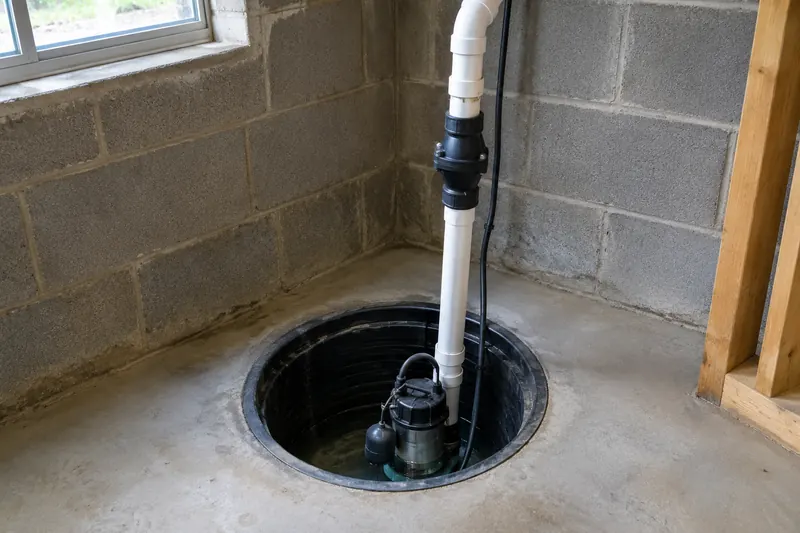
Water on a basement floor is the most common worry in this column, and the reasons behind it vary more than people expect. Sometimes the sump pump is working too hard. Sometimes it isn't involved at all and the water is coming through a wall, a window well or a leaking appliance.
If the pump seems to run constantly, read why a sump pump runs every few minutes. If you're weighing a second pump for power outages, the battery backup question covers what those units can and can't do. And if the floor is wet while the pit stays dry, this answer walks through the other ways water gets in.
One rule holds everywhere in the WSSC area and beyond: sump water goes outside, never into the sewer. Where sump water is allowed to go explains why.
Speed matters after any leak. The EPA says to dry water-damaged areas within 24 to 48 hours to keep mold from taking hold. If water has reached outlets, cords or the electrical panel, stay out and call the electric utility before anything else.
The questions
My sump pump runs every few minutes even when it hasn't rained. Is that normal?
A sump pump running constantly in dry weather is sometimes just groundwater still draining, but a cycle every few minutes usually means a stuck float, a failed check valve, or a pit or pump that's the wrong size.
How do I know what size sump pump our basement needs?
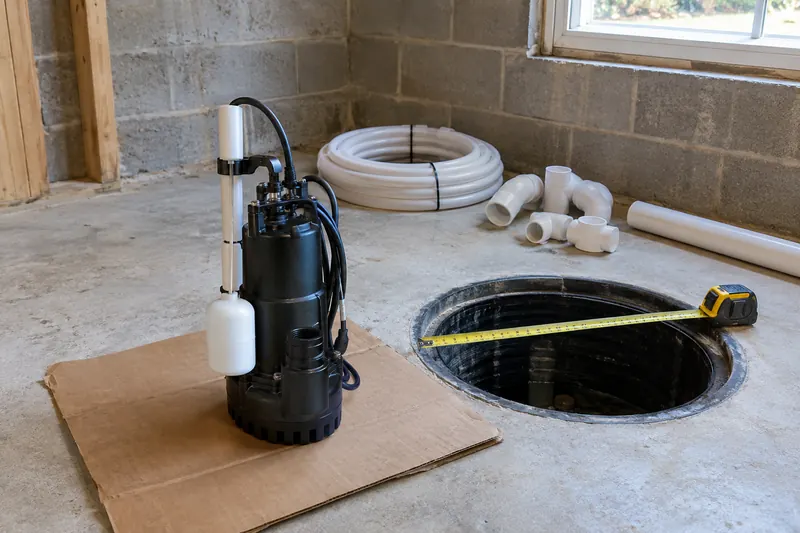
What size sump pump you need comes down to two numbers, not horsepower: how many gallons per minute flow into your pit, and the total head the pump has to push that water against.
Is a battery backup sump pump worth it?
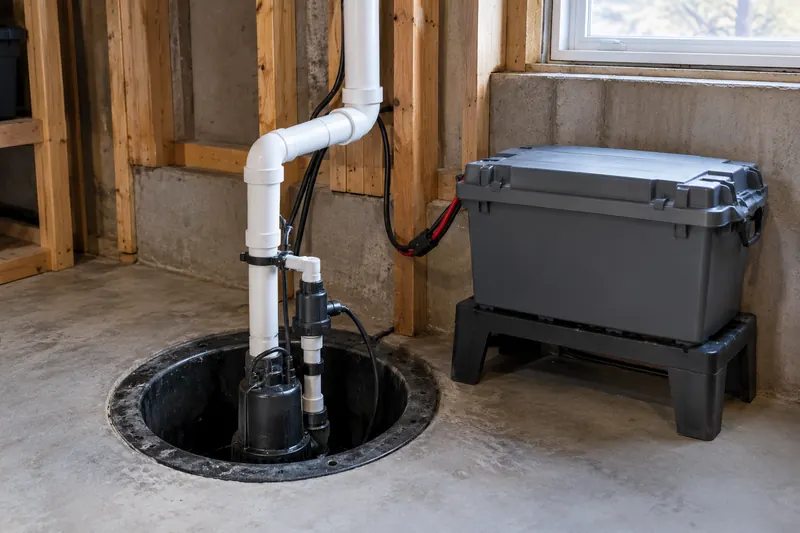
A sump pump battery backup is worth it if your pit fills during storms, because storms are when the power goes out. Just know its limits: hours of continuous pumping, not days, and a battery to replace every few years.
Could a water-powered backup sump pump work on our public water?
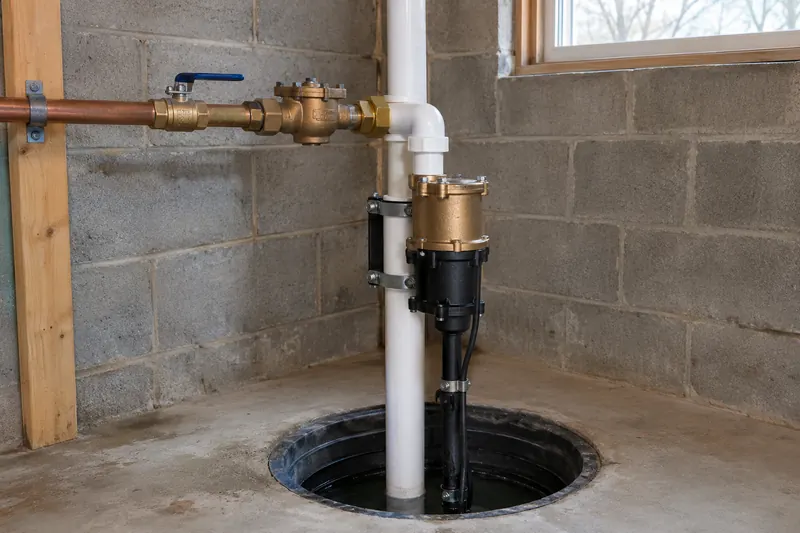
A water-powered sump pump backup can work well on public water if the pressure is there, about 30 psi or better, but it burns city water, needs approved backflow protection, and only ever backs up an electric pump.
Where is our sump pump allowed to send the water?
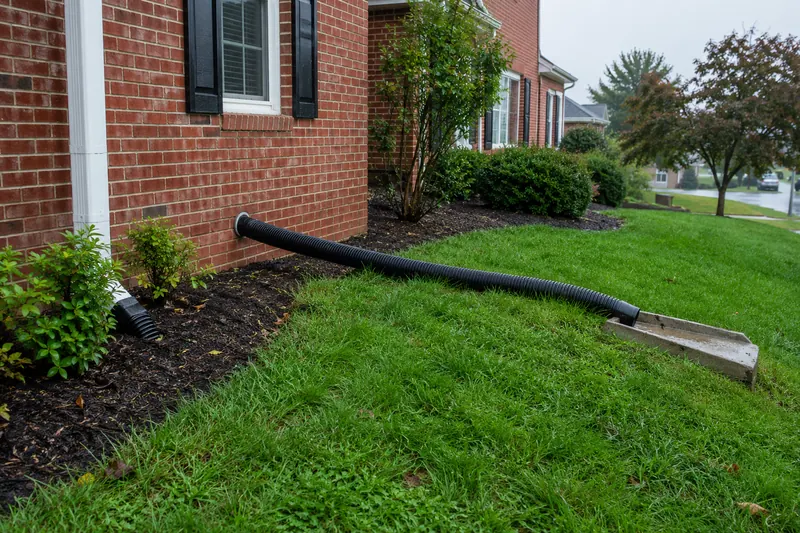
Where should sump pump discharge go? Outdoors, onto ground that carries it away from your foundation. Never into a floor drain, laundry sink or sewer cleanout: WSSC's code lists that as an illegal discharge.
How long should a sump pump last, and when do we replace it?
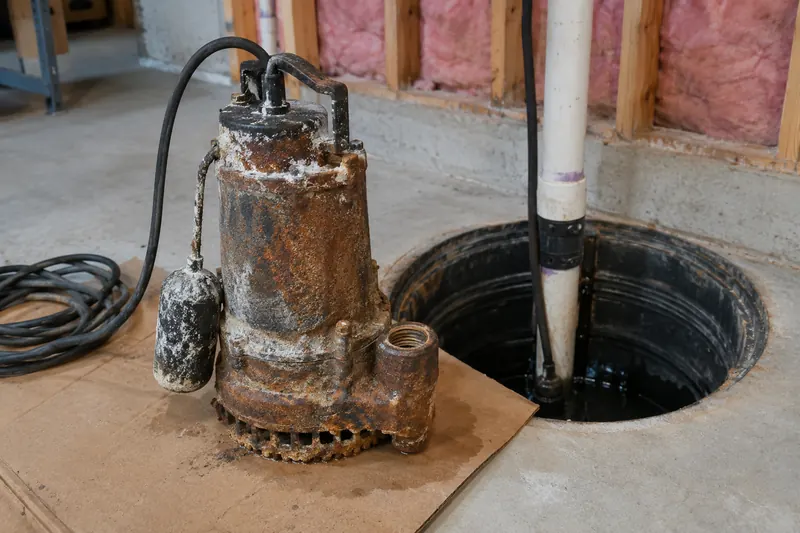
How long sump pumps last has no honest single answer: it depends on the pump, how hard it works and how it was installed. Replace yours when it fails a test or shows failure signs, not on a birthday.
Water came into the basement during a storm. What do we do first?
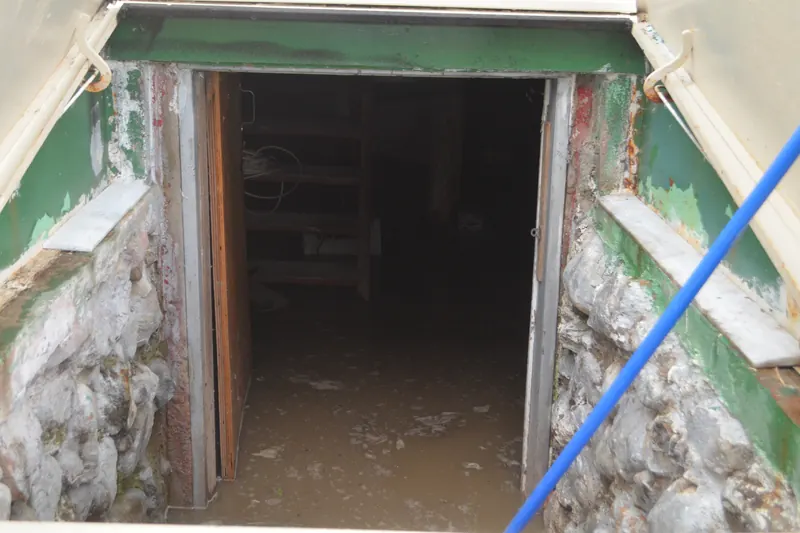
Water in the basement after rain calls for safety before buckets: stay out until you know the power is off, get out if you smell gas, then find the source and start drying within a day or two.
Why is there water on the basement floor when the sump pit is dry?
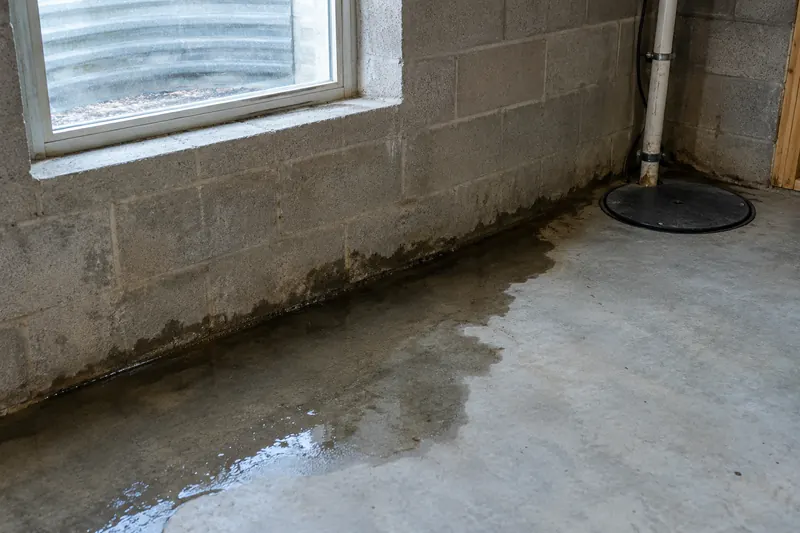
Water in the basement with a dry sump pit means the water never reached the pit. It's coming in above or around the drainage, leaking from a pipe or appliance, or condensing out of humid summer air.
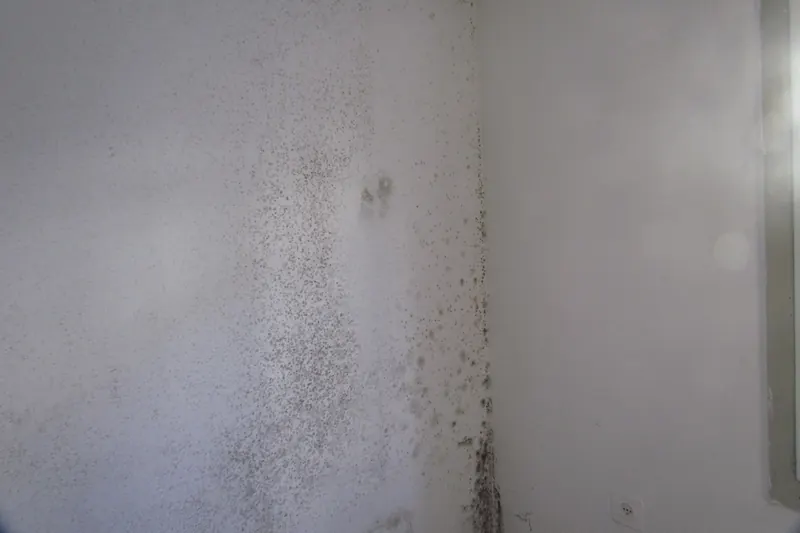
How fast does mold start after a basement leak?
Mold after a water leak is a race against roughly two days. EPA says wet materials dried within 24 to 48 hours usually won't grow mold; past that point, the odds turn against you fast.