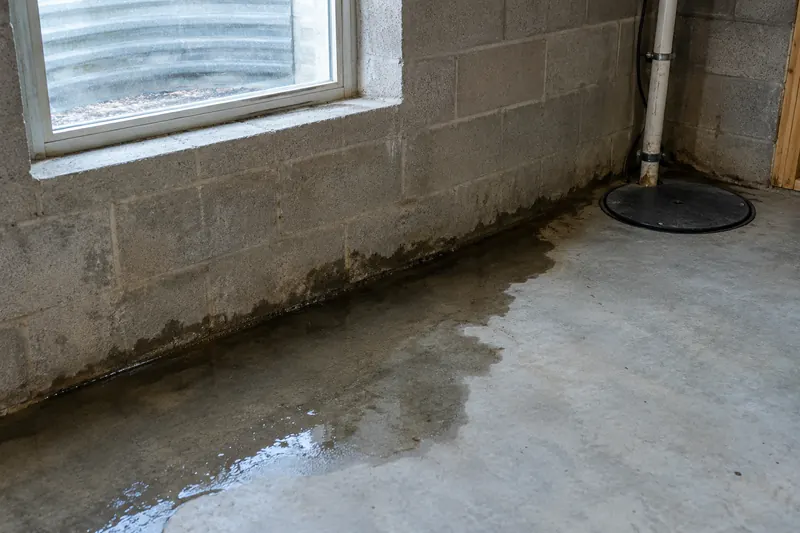
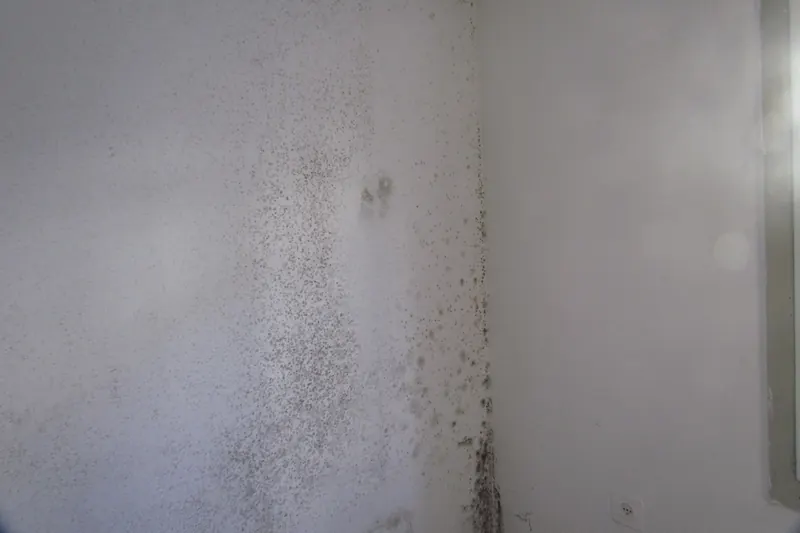
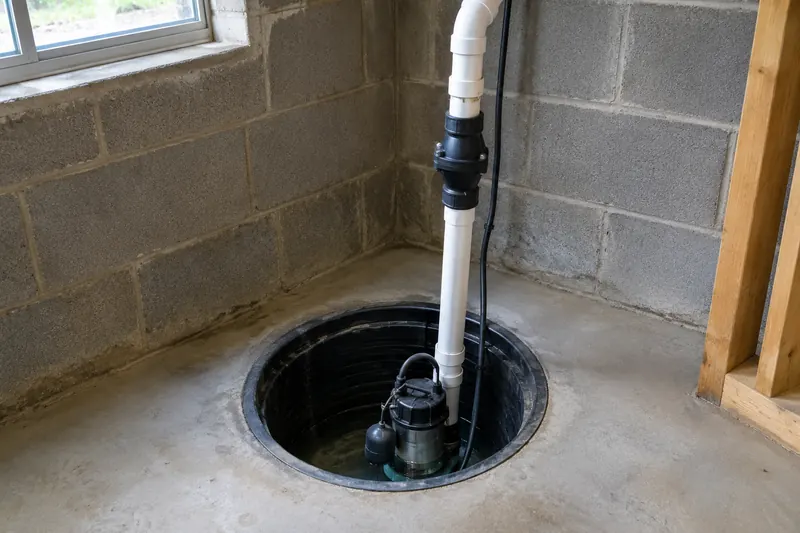
Water came into the basement during a storm. What do we do first?
Answered by the column’s editors · · about 5 minutes to read
Water in the basement after rain calls for safety before buckets: stay out until you know the power is off, get out if you smell gas, then find the source and start drying within a day or two.
The urge is to grab towels and start bailing. Hold off a minute: standing water and live wiring are a deadly mix, and a furnace or water heater that sat in the flood may not be safe.
Once the hazards are handled, the job gets simpler: work out where the water came from, document everything, and get the space dry fast. The source tells you who to call and whether insurance is likely to help.
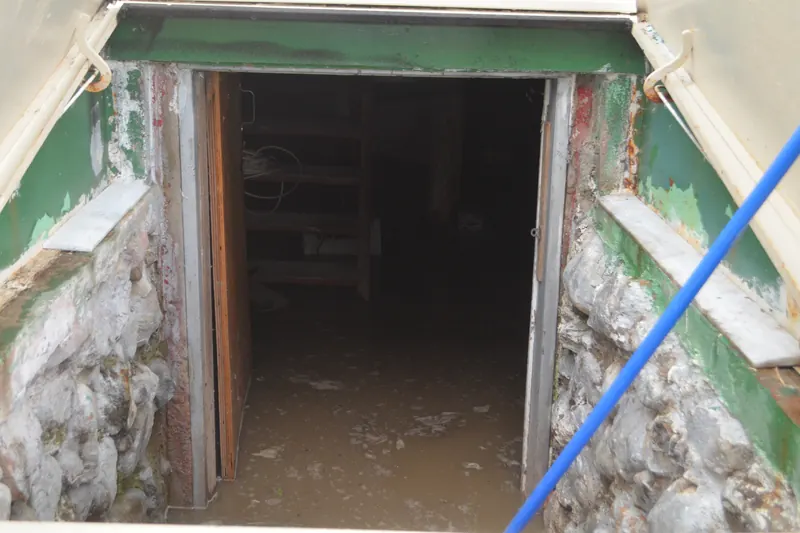
Is it safe to go down the stairs?
Only if you know the electricity is off. FEMA's rule is blunt: if you aren't certain the electricity is off, you don't go down into a flooded basement (FEMA). If the breaker panel is down there, or you'd have to stand in water to reach it, don't try.
Washington Gas says to leave immediately on smelling gas and not to operate lights or phones on the way out (Washington Gas). The CPSC adds that gas control valves, wiring, breakers and fuses that were under water should be replaced by a professional before anything is used again (CPSC flood safety release). If the water heater got wet, read whether a flooded gas water heater can be relit.
Where did the water come in?
Clean water seeping through a wall is a nuisance; sewage coming up a drain is a health problem.
| Source | Typical clues | What it means |
|---|---|---|
| Seepage through walls or the floor joint | Wet stripe along the base of a wall, water clear, sump pit may be dry | Groundwater pressure; the drainage isn't catching it |
| Sump pump failed or overwhelmed | Pit full to the brim, water spreading out from the pit | Pump, float, power or capacity problem |
| Floor drain backup | Dirty, smelly water around the drain, often in the lowest corner | Sewer surcharge or a blocked line; treat as sewage |
| Window wells and doors | Water trails from a window or exterior door, mud on the sill | Surface water getting in above ground |
If the pit is dry but the floor isn't, see why water shows up when the sump pit is dry. If it came up the drain, read why sewage comes up a floor drain before anyone uses the plumbing.
What do we do first, once it's safe?
The first hour, in order
- Photograph and video the water and damage before you move anything.
- If dirty water came up a drain, stop using sinks, toilets, the shower and the washer.
- Move boxes, rugs and electronics up to a dry floor.
- Wear rubber boots and gloves, plus goggles if there's any chance of sewage.
- Start removing water and drying, using electric pumps, fans and dehumidifiers only once the power situation is clear.
- Call your insurer, and keep every receipt.
One firm rule: anything with an engine or a flame, generators included, stays outside, because the CDC warns it fills a basement with carbon monoxide (CDC).
How quickly does a wet basement need drying after rain?
Faster than most people think. EPA says to dry water-damaged areas and items within 24 to 48 hours to prevent mold (EPA). Past that, our page on mold after a basement leak explains what to watch for.
The CDC says to discard drywall and insulation contaminated with sewage or floodwater, and to throw out anything you can't clean or dry quickly, such as carpet, padding and upholstered furniture. If sewage was involved, follow the sewage cleanup steps. On hard surfaces, the CDC says to wash, rinse, then sanitize with one cup of bleach in five gallons of water.
Will insurance cover water in the basement after rain?
It depends on how the water got in. The Maryland Insurance Administration says water seeping through a foundation wall or floor is considered a maintenance issue and generally isn't covered (Maryland Insurance Administration, archived copy). Drain backups and sump overflows need the optional water/sewer back-up endorsement, which Maryland insurers must offer.
New NFIP coverage usually starts only after a 30-day wait, per FEMA (FEMA), so buying it the morning after doesn't help. In basements it covers only a short list of contents, such as washers, dryers and freezers. The details are in what homeowners insurance covers for backups.
The bottom line
Power and gas first, buckets second. Figure out whether the water seeped in, overflowed the pit or came up a drain, because that decides the cleanup and the insurance answer. Photograph everything, and aim to have the space dry within a day or two.
Readers also ask
Can we run a wet-dry vacuum in standing water?
Only once you know the power is safe, using an outlet well away from the water. Submerged outlets are an electrician's job.
Should we pump the water out right away?
If the water is from a sump overflow or seepage and the power is safe, yes, start removing it. Don't route it into a floor drain or laundry sink; it belongs outdoors.
Is water from a storm safe to touch?
Treat it as dirty: wear boots and gloves, and wash your hands afterward.
Do we need to call WSSC Water or the county?
Only if sewage backed up. A registered plumber clears your line; WSSC (in Montgomery and Prince George's) or your county handles the public side.
Can we turn the furnace back on once the floor is dry?
Not if it sat in water. Have a qualified technician inspect it and replace any control parts that were submerged.
Where this answer comes from
- FEMA PDF: power restoration guidance for flooded homes
- Washington Gas: leave first, then call (gas safety page)
- CPSC 2024 release on post-flood electrocution and gas hazards
- CDC: disaster cleanup safety, including carbon monoxide
- CDC: mixing bleach for flood cleanup
- EPA mold guide: the 24 to 48 hour drying window
- MIA consumer page on seepage versus backups (archived copy)
- FEMA: buying NFIP coverage and its waiting period
- NFIP agent toolkit brochure, 2025, basement coverage list (archived copy)
- WSSC Water: who clears which part of a blocked sewer (archived copy)