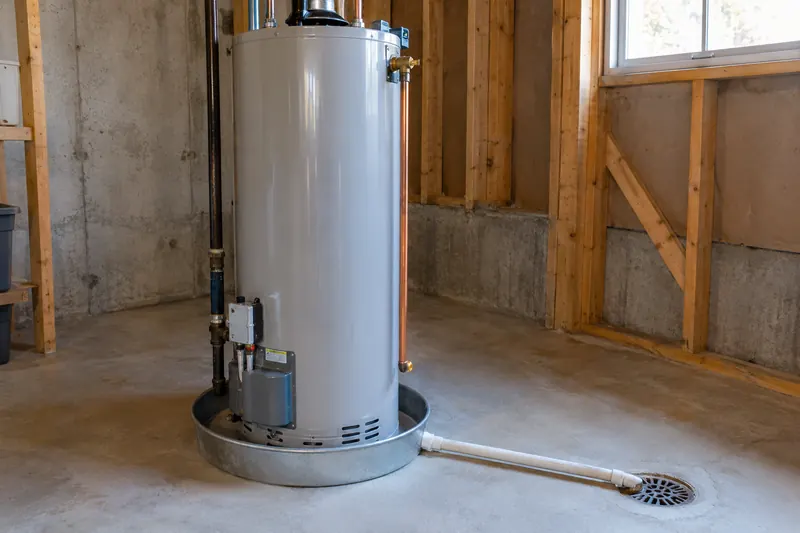
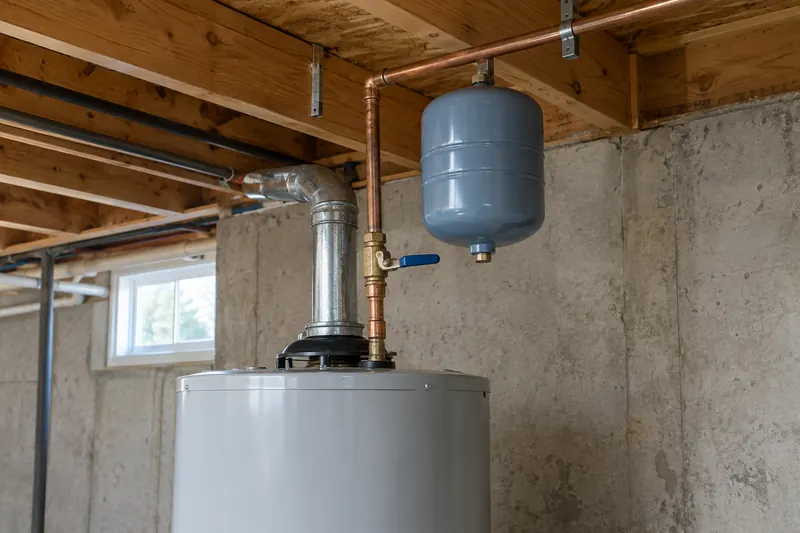
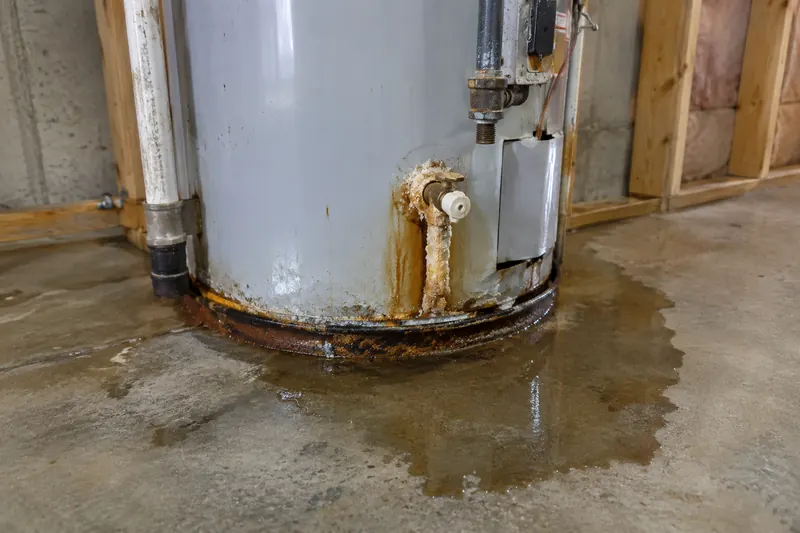
It's the water heater (or the corner it sits in)
Our gas water heater sat in floodwater. Can we just relight it?
Answered by the column’s editors · · about 5 minutes to read
No. A water heater after a flood has wet gas controls that can fail dangerously, so don't relight it. Leave it off, have a qualified pro inspect it, and expect that replacement is the usual outcome.
Everyone wants a hot shower, but floodwater ruins exactly the parts that keep a gas burner under control, and the damage is invisible from outside.
The makers and the extension services agree on this one. A.O. Smith's manual says in capital letters not to use a water heater if any part has been exposed to flooding, and wants a qualified technician to look it over and swap out any controls that got wet. NC State Extension goes further: flooded water heaters, gas and electric, should be replaced.
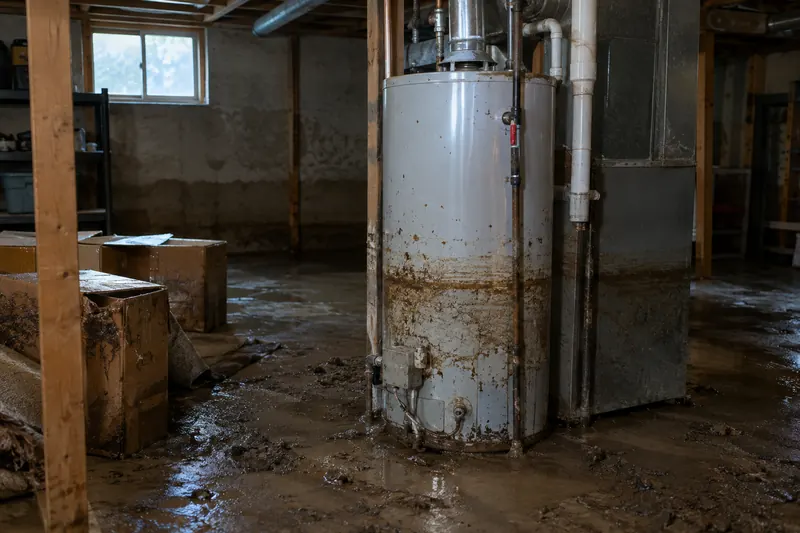
Is it safe to go down there at all?
Not until the electric utility or a licensed pro says it's safe. A gas appliance that sat in floodwater is reason enough to leave the house, smell or no smell: no light switches or phones inside, phone 911 or the gas company once you're outdoors, and relight nothing. FEMA's rule is simple: if you can't be sure the electricity is cut, stay out of the flooded basement. When the breaker panel sits down there too, or you simply don't know, ask the electric utility to disconnect service.
Washington Gas puts it bluntly: smell gas and you get out of the building, calling from somewhere safe.
Why can't a flooded heater just dry out?
Because the damage is inside parts built to fail safely only when they're clean and dry. NC State Extension says controls on water heaters, furnaces and boilers become clogged when flooded with dirty water, and that defective gas control devices can cause a fire, flashback or explosion. The U.S. Consumer Product Safety Commission says a professional or the utility should replace all gas control valves, wiring, circuit breakers and fuses that were under water before those appliances are used.
| Part | What can go wrong after a soaking |
|---|---|
| Gas control valve | Silt and corrosion inside can keep it from shutting gas off properly |
| Burner and pilot assembly | Debris can block ports, causing poor combustion or flashback |
| Vent and chimney | Debris or cracks can send exhaust, including carbon monoxide, back indoors; have it checked |
| Electric controls (electric heaters) | Wet thermostats and wiring are a shock and fire risk |
Who inspects it, and what usually happens?
A qualified, licensed pro, never a homeowner. NC State says any work on flooded gas or electric equipment should go to a licensed contractor, no matter how handy the owner is, and notes that the Gas Appliance Manufacturers Association recommends replacing flood-damaged heating and plumbing appliances rather than repairing them. Most inspections end in a new heater.
Replacement rules vary by county. Across Montgomery and Prince George's, WSSC Water treats any gas water heater replacement as licensed-only work: the plumber pulls a permit and WSSC inspects, then attaches a green APPROVED sticker to the new unit. Homeowners can't do gas work under WSSC's homeowner permit. Gas appliances in Frederick County always need a permit and inspections, and in Baltimore County every plumbing or gas job is permitted work. If you're unsure which office covers you, see who issues plumbing permits, and check the plumber's license before work starts.
Before the plumber arrives
- Stay out of the basement until the utility or a licensed pro says it's safe; a gas appliance under water means leave and call from outside first.
- Leave the heater's gas controls and burner alone; don't try to relight the pilot.
- Photograph the water line on the heater, the label and the floor before anything is moved.
- Call your insurer or flood insurer and ask how they want damaged equipment documented.
- Start drying the rest of the basement, wearing boots and gloves if the water came in from outside.
Will insurance pay for the new heater?
Possibly, depending on the water's source and your coverage. NFIP flood policies cover only certain basement items; FEMA's brochure says basement coverage includes certain building materials, cleanup expenses and items used to service the building. Ask your adjuster whether your heater counts. A sewer backup is a different claim; see whether homeowners insurance covers a sewer backup.
What about the rest of the utility corner?
The furnace, boiler and any other gas appliance that sat in water get the same treatment: no restart until a licensed pro checks them. NC State recommends replacing the motors, electrical parts, safety controls and gas valves on flooded equipment. If the flood came from a storm, our checklist for water in the basement after rain covers the first hours.
The bottom line
Don't relight a gas water heater that sat in floodwater. If there's any gas smell, leave first and phone 911 or the gas company from outdoors; stay out until the power is off, and let a licensed pro inspect. Expect a replacement, with a permit and inspection where your county requires one.
Readers also ask
What if the floodwater only reached the bottom of the jacket?
Have it inspected anyway. A.O. Smith's warning covers any part exposed to flooding, and the burner and gas control sit near the bottom of most gas tank heaters.
Can an electric water heater be saved after a flood?
NC State says flooded electric heaters should be replaced too. Keep it unpowered and let a licensed pro decide.
Can we take the old heater out ourselves?
Disconnecting a gas heater is gas work, which WSSC's code bars homeowners from doing. Elsewhere, ask your county; a licensed plumber is the safe choice.
How soon do we need to dry the basement?
Quickly: EPA's mold window is 24 to 48 hours for getting wet materials dry. Our answer on mold after a basement leak has the details.
Should the new heater go in the same spot?
Ask your plumber about raising or protecting it if the basement may flood again.
Where this answer comes from
- A.O. Smith: water heater manual, flood warning
- NC State Extension: How to Salvage Flood-Damaged Appliances
- FEMA: Guidance for Turning the Power Back On
- Washington Gas: Natural Gas Safety
- U.S. CPSC: flood safety release, 2024
- WSSC Water: gas appliance inspections FAQ (archived copy)
- FEMA NFIP: media toolkit brochure, 2025 (archived copy)
- FEMA: Flood Insurance
- U.S. EPA: mold and moisture basics