Does homeowners insurance cover a sewer backup or a failed sump pump?
Answered by the column’s editors · · about 5 minutes to read
Sewer backup insurance usually isn't part of a standard Maryland homeowners policy. A backup or a sump pump that quits is generally covered only if you added a water/sewer back-up endorsement.
Short answer: probably not, unless you bought the add-on. Most homeowners policies treat water that comes up through a drain or overflows a sump pit as a separate risk, and they exclude it unless you pay for an endorsement.
The good news is that Maryland makes insurers offer that coverage, and Baltimore City's SOS Cleanup page makes the same point about riders. The less good news is that many people never notice the offer, and find out after the carpet is already at the curb.
What does sewer backup insurance actually cover?
The Maryland Insurance Administration puts it plainly: sewage entering through drains, or an overflowing sump, is a covered loss only when your policy carries a water/sewer back-up endorsement. Maryland law requires your insurer to offer it.
Even then, MIA notes that most endorsements leave out the cost of fixing the pipe or drain that caused the trouble. The endorsement pays for the damage the water did, not the plumbing repair. The City of Rockville adds that Maryland insurers must offer the coverage in writing when you apply and at each renewal, so check your last renewal packet.
Does a failed sump pump count as a sewer backup?
For insurance purposes, it's usually lumped in with backups. MIA's wording covers water that overflows a sump, which is exactly what happens when a pump dies or the power goes out in a storm. Without the endorsement, expect a denial.
That's one more argument for a battery backup sump pump. Insurance pays after the damage; a working backup pump can keep it from happening.
What about flood insurance?
Flood insurance through the National Flood Insurance Program is a separate policy, and it's thinner in basements than most people expect. The NFIP's 2025 brochure limits basement contents to washers, dryers, portable or window air conditioners, and food freezers with the food in them. Finished walls, floors, ceilings, built-ins and cabinets down there aren't covered. Certain building materials, cleanup costs and equipment that services the house are.
FEMA says new NFIP policies usually don't take effect for 30 days, with exceptions such as a lender requiring the policy. FloodSmart draws the line this way: a backup driven by a heavy storm can count, a backup from clogged pipes can't.
| What happened | Standard homeowners policy | With a water/sewer back-up endorsement | NFIP flood policy |
|---|---|---|---|
| Sewage comes up a floor drain from a clogged line | Usually excluded | Damage may be covered; the pipe repair usually isn't | Not covered |
| Sump pump fails and the pit overflows | Usually excluded | May be covered | Check the policy; flood coverage depends on a flood causing it |
| Sewer backs up as part of a storm flood | Usually excluded | May be covered | May be covered, within basement limits |
| Water seeps through the foundation wall | Generally not covered | Generally not covered | Generally not covered |
| Finished basement drywall and carpet after a flood | Depends on the cause | Depends on the cause | Not covered |
Is seepage through the wall covered?
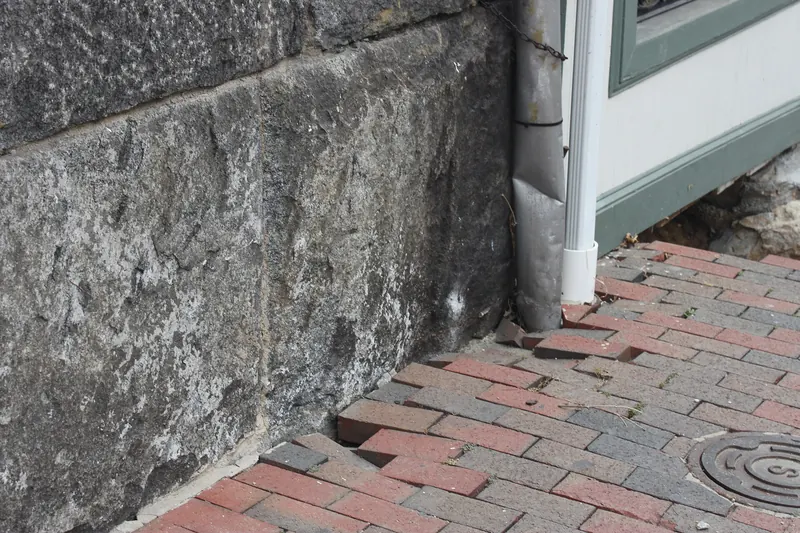
Generally no. MIA calls seepage through a foundation wall or floor a maintenance issue, not covered by homeowners or flood policies. If water came in during a storm through the walls rather than a drain, the fix is grading, gutters and drainage, not a claim.
Can the utility or the city pay instead?
Sometimes, and it depends on whose pipe failed. In the WSSC area, WSSC's sewer backups page says that when WSSC's own pipe, broken or invaded by roots, is the cause, its Claims Office may reimburse you. Our page on who pays when the sewer backs up goes through the split.
Two local programs also step in, as of October 2026. The City of Rockville may put as much as $2,500 toward cleanup or your deductible when its own sewer or water main caused the mess. The City of Baltimore's reimbursement program covers cleanup bills of as much as $5,000 for each home after a qualifying wet-weather backup, but insured applicants must first get a final answer from their insurer. Details are on our help paying for flood fixes page.
Before the next storm
- Find your declarations page and look for a water/sewer back-up endorsement and its limit.
- If it's missing, ask your agent to add it; Maryland insurers must offer it.
- Ask whether your area makes sense for NFIP coverage, and remember the 30-day wait.
- Photograph the finished basement now, so you have a record of what was there.
- Keep receipts for any cleanup, and report a backup to your sewer utility right away.
The bottom line
A standard homeowners policy usually won't pay for a sewer backup or an overflowing sump pit. The water/sewer back-up endorsement is the piece that does, and Maryland insurers have to offer it. Flood insurance covers far less in a basement than people assume, so read both before you need them.
Readers also ask
Will the endorsement pay for a new sump pump?
MIA says the pipe or drain repair itself is usually left out. Ask your insurer how the endorsement treats the pump.
Does a flood policy cover my finished basement?
Not the finishes. NFIP coverage in basements excludes finished walls, floors, ceilings, built-ins and cabinets, and limits contents to a short list of appliances.
Is a backup from a clogged house line a flood claim?
No. FloodSmart says a flood policy would not cover a sewer backup caused by clogged pipes.
Does Baltimore City's program pay for damaged furniture?
No. The reimbursement program covers documented cleanup, disinfection and disposal; damaged belongings are a separate claim, handled by the City Law Department.
How do we clean up safely while the claim is pending?
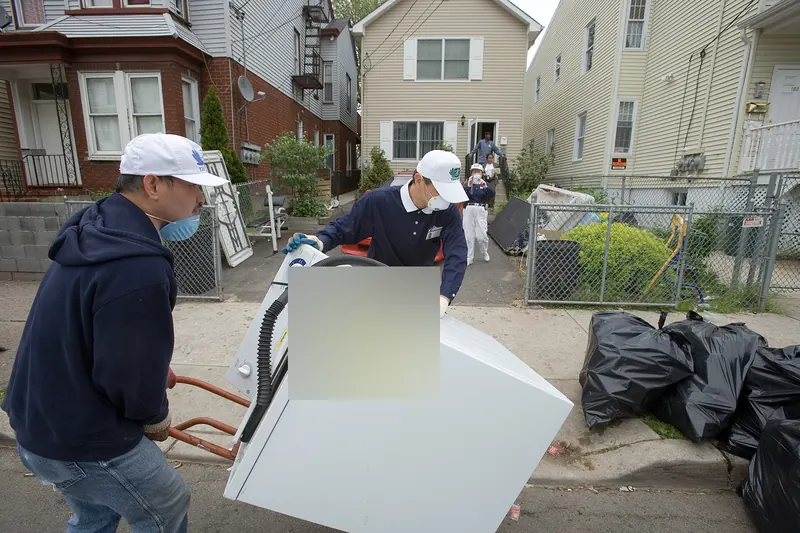
Follow EPA and CDC guidance: boots, gloves, eye protection, children and pets kept out, porous items discarded. Our page on cleaning up after a sewage backup has the steps.
Where this answer comes from
- MIA consumer guide: is it flood or water damage? (archived copy)
- FEMA: Flood Insurance
- FEMA/NFIP: Media Toolkit brochure, 07-2025 (archived copy)
- FloodSmart: coverage explainer (archived copy)
- Rockville city news: help after a City sewer backup
- Baltimore public works: backup cleanup reimbursement
- Baltimore City DPW: SOS Cleanup
- WSSC Water: backups and blockages, who maintains what (archived copy)
- FEMA: Turning the power back on after a flood (PDF)