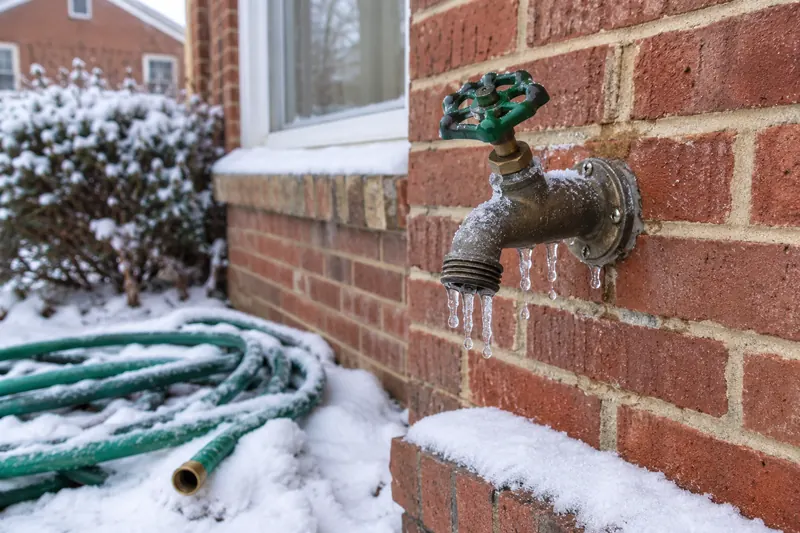
How do we keep crawlspace pipes from freezing?
Answered by the column’s editors · · about 5 minutes to read
To keep crawl space pipes from freezing, stop the cold air first, then insulate: close up drafts and openings, put insulation between the pipes and the outside, and add UL-listed heat cable where runs stay exposed.
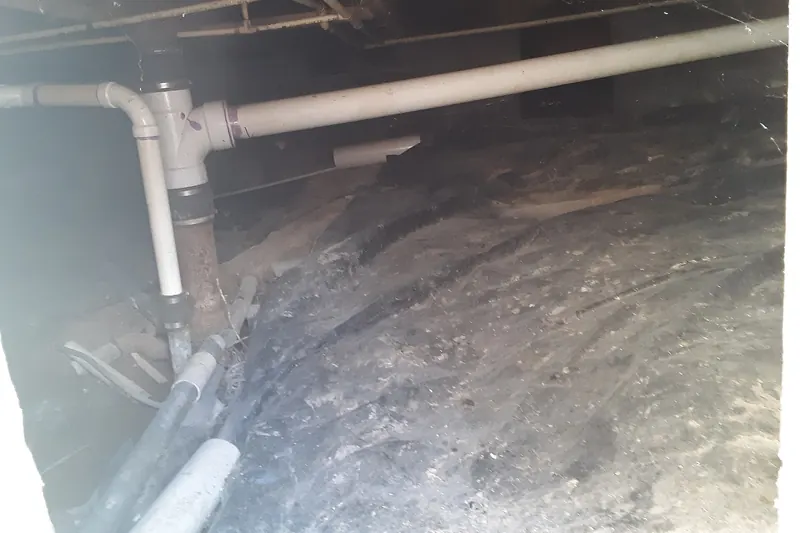
Crawlspaces are where good intentions go to freeze. The space is unheated, often vented to the outdoors, and the water lines run along the joists next to the rim, the coldest wood in the house.
The fix is mostly about air. Insulation helps, heat cable helps on the worst runs, but a crawlspace that's whistling with January wind will beat both.
Why do crawl space pipes freeze before the rest of the house?
They sit in the one part of the house that was never meant to be warm. The American Red Cross (archived copy) puts water lines in crawl spaces and unheated basements near the top of its list of pipes most likely to freeze, along with any run against a poorly insulated exterior wall.
Three things make it worse: outdoor air coming through vents, gaps and an ill-fitting access door; pipes fastened tight against the rim joist or foundation; and long runs to a kitchen or bathroom that sit unused overnight. Why there's no single freezing number explains why the air at the pipe matters more than the forecast.
What does the plumbing code expect for cold floor spaces?
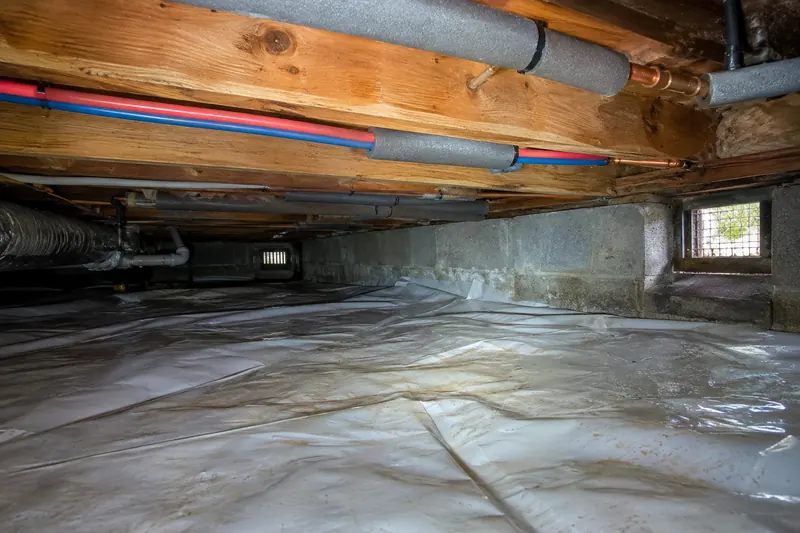
In Montgomery and Prince George's counties, the WSSC plumbing code now in effect (archived copy) wants water lines that run through unprotected floors, outside walls or ceilings shielded by R-24 or better, placed toward the cold. Note that last part. The insulation is supposed to sit between the pipe and the outdoors, not just wrap the pipe.
Older crawlspaces often predate that rule, and other counties have their own codes. The useful idea holds everywhere: keep the pipe on the warm side of the insulation.
Is foam pipe insulation enough on its own?
It helps, but it doesn't make heat. A foam sleeve slows the rate a pipe loses warmth, which buys time on a cold night. Through several days of hard cold in a drafty crawlspace, an insulated pipe can still freeze, because nothing is putting heat back in.
That's why the bigger win is insulating and sealing the crawlspace itself. The Red Cross says added insulation in crawl spaces keeps those areas warmer. ENERGY STAR's insulation table suggests R10 insulative sheathing or R13 batts on basement or crawlspace walls in climate zones 4A and 4B; check the zone that applies to your county. Close the access door tightly, and close any vents designed to be shut for winter.
When does heat cable make sense, and how is it used safely?
Heat cable earns its place on runs you can't reroute or protect any other way, such as a supply line hugging the rim joist. The Red Cross suggests UL-listed heat tape or heat cable on exposed pipes. Buy a UL-listed product and follow the maker's installation instructions to the letter.
The Consumer Product Safety Commission's heat tape guidance adds the safety rules: plug it into a grounded outlet protected by a GFCI, don't wrap the tape over itself unless the maker allows it, cover it only with insulation the maker approves, and inspect it every year. CPSC specifically warns against foam or vinyl over heat tape because a failing tape can ignite them; it points to non-flammable fiberglass instead.
| Measure | What it does | Watch out for |
|---|---|---|
| Sealing gaps and the access door | Keeps outdoor air off the pipes | Moisture; don't block vents meant to stay open |
| Wall or rim insulation | Puts insulation between pipes and the cold | Leave pipes on the warm side |
| Foam pipe sleeves | Slows heat loss from the pipe | Adds no heat; not over heat tape |
| UL-listed heat cable | Adds heat to one exposed run | GFCI outlet, maker's instructions, yearly check |
| Dripping a faucet | Keeps water moving in the line | Only while someone's home |
What should we do on the coldest nights?
Cold-night routine for crawlspace pipes
- Check that the crawlspace door is shut tight and drafts are blocked.
- Open sink cabinets on exterior walls so room heat can reach those lines.
- Let a faucet fed by the crawlspace lines drip while you're home and awake.
- Make sure any heat cable is plugged in and its indicator, if it has one, is lit.
- Know where the main shutoff is and that it turns freely.
WSSC Water (archived copy) suggests dripping faucets only while you're at home, so a trip needs a different plan; see our winter travel checklist. If a line does freeze, the safe thawing steps apply under the house too, and an open flame is never one of them.
The bottom line
Stop the drafts first, then put insulation between the pipes and the cold, and save heat cable for runs you can't protect any other way. If you use heat cable, make it UL-listed, follow the maker's instructions, and plug it into a GFCI outlet an electrician installed if you don't already have one.
Readers also ask
Should crawlspace vents be closed in winter?
Close the ones designed to be closed, and seal the access door. Some crawlspaces depend on vents to control moisture, so ask a contractor before permanently blocking them.
Can we put a space heater in the crawlspace?
We wouldn't. It's an unattended heat source in a tight space full of wood framing. Sealing and insulation are safer.
Does wrapping pipes in newspaper work?
Red Cross says even a thin layer of newspaper gives some protection where hard freezes are rare. Treat it as an emergency stopgap, not a winter plan.
Do we need to insulate hot water lines in the crawlspace too?
Yes. Red Cross says both hot and cold pipes in unheated areas should be insulated, since a hot line sitting idle overnight cools down like any other.
What if the main water line comes in through the crawlspace?
Protect it first, since Red Cross names the spot where the service enters through the foundation as a likely freeze point. A meter inside the house is the owner's responsibility in WSSC territory.
Where this answer comes from
- American Red Cross: frozen pipe prevention, crawl spaces and insulation (archived copy)
- WSSC Water: plumbing and gas code PDF with the R-24 pipe rule (archived copy)
- ENERGY STAR: Recommended Home Insulation R-Values
- U.S. CPSC: heat tape safety guidelines, 1996 release
- WSSC Water: #WinterReady tips for dripping faucets (archived copy)